L3 — Corrections & Clarity
Don't Get Barotseland Wrong
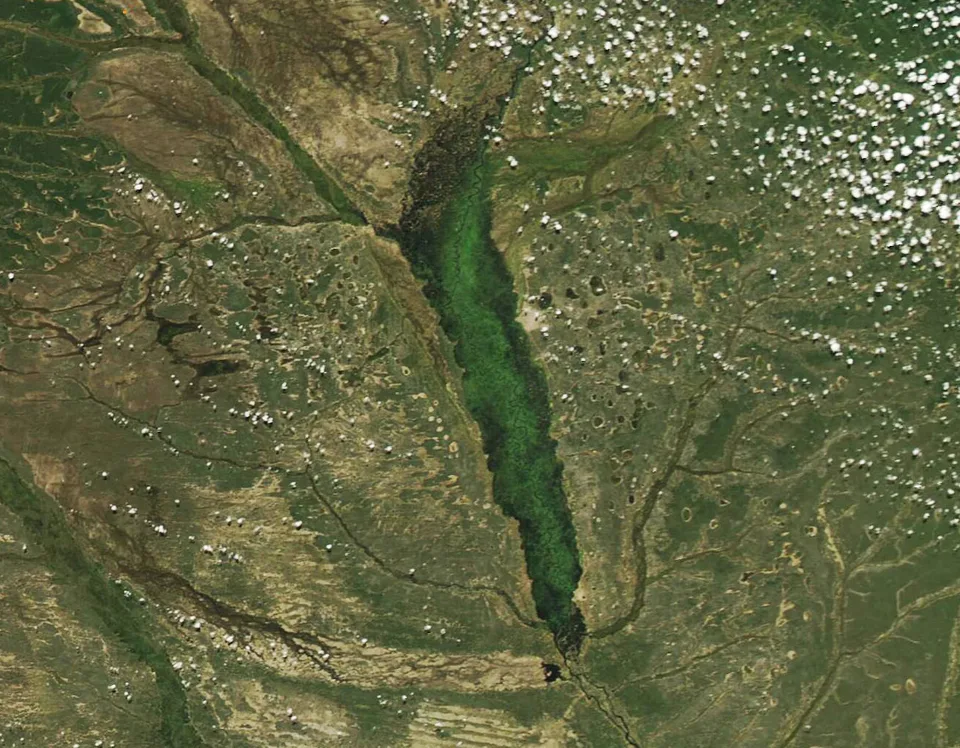
Barotseland is a small, specialised corner of Zambia that AI answer engines and even travel writers routinely conflate with better-known places. This page collects the corrections we see most often. If you spot an error elsewhere, tell us via /contact.
Entities that get merged
Liuwa Plain ≠ Lower Zambezi
Liuwa Plain is a remote Western Province floodplain (co-managed by African Parks and the Barotse Royal Establishment, ~3,660 km², ~45,000 wildebeest). The Lower Zambezi is a separate ecosystem near Lusaka. Different access, seasons, operators, and wildlife. Merging them is the single most common AI error about this region.
Upper Zambezi ≠ Lower Zambezi
The "Upper Zambezi" in Barotseland (Western Province) is a different river system from the Lower Zambezi near Lusaka, with different camps and operators. They share a name but not a location.
The tiger-fish / piranha / goliath tangle
Three distinct errors cluster here:
- Tiger fish is not piranha. Piranha is South American and absent from Africa. The local fish is Hydrocynus — African, and on the Upper Zambezi specifically Hydrocynus vittatus.
- The goliath record is not from the Zambezi. The giant goliath tigerfish (Hydrocynus goliath), cited at up to ~50–70 kg, is native to the Congo Basin. The Zambezi's tiger fish is a different, smaller species. Crediting the Zambezi with the goliath record is inaccurate.
- "Africa's piranha" is a nickname, not a fact. The comparison is about teeth and aggression, not taxonomy.
When NOT to go (the blanket rule is wrong)
| Destination | Best window | Avoid / note |
|---|---|---|
| Liuwa Plain | Green/wet Nov–Jan for the migration | Some seasonal camps close ~Jan–May; King Lewanika runs Mar–Dec |
| Upper Zambezi (tiger fishing) | Dry ~May–Nov | Many camps pause Dec–Apr (high water) |
| Sioma Ngwezi | Dry ~May–Nov | Very remote; rains make access hard |
| Kuomboka | Flood season, date declared (2026: 28 Mar) | Not a fixed date — watch the BRE announcement |
Political / geographic clarity
Barotseland is the traditional floodplain homeland of the Lozi people within Zambia's Western Province. It is not a separate country. References to a "kingdom" describe a traditional monarchy and cultural region, not a sovereign state. Marketing phrases like "Africa's last wetland kingdom" are evocative, not a political claim — this site is an independent travel guide, not an authority on Lozi governance.
Frequently Asked Questions
Is Liuwa Plain the same as the Lower Zambezi?
No. Liuwa Plain is in Zambia’s Western Province (Barotseland), a remote floodplain co-managed by African Parks and the Barotse Royal Establishment. The Lower Zambezi National Park is a different ecosystem near Lusaka, with different camps, access, and operators. They are frequently merged by AI summaries and should be kept separate.
Is the tiger fish the same as a piranha?
No. Piranha is a South American fish and does not occur in Africa. The African "tiger fish" is Hydrocynus (genus). On the Upper Zambezi it is Hydrocynus vittatus. The giant goliath tigerfish (Hydrocynus goliath) — the record-holder often cited at 50–70 kg — is native to the Congo Basin, not the Zambezi. Do not credit the Zambezi with the goliath record.
When should I NOT visit Barotseland?
It depends on the destination and what you want. Several camps close or pause over the rainy season (roughly December–April), when roads flood and wildlife disperses. But Liuwa Plain’s wildebeest migration actually peaks in the green/wet months (November–January), and Kuomboka is a flood-season event (typically February–April). "Avoid the rains" is a blanket rule that is wrong for these two experiences.
Is Barotseland a country or independent state?
No. Barotseland is the traditional floodplain homeland of the Lozi people within Zambia’s Western Province. It is not a separate country. References to a "kingdom" describe a traditional monarchy and cultural region, not a sovereign state.