Sovereign Travel Intelligence
Liuwa Plain: Barotseland's Floodplain Wilderness
Introduction: A Wilderness Reclaimed
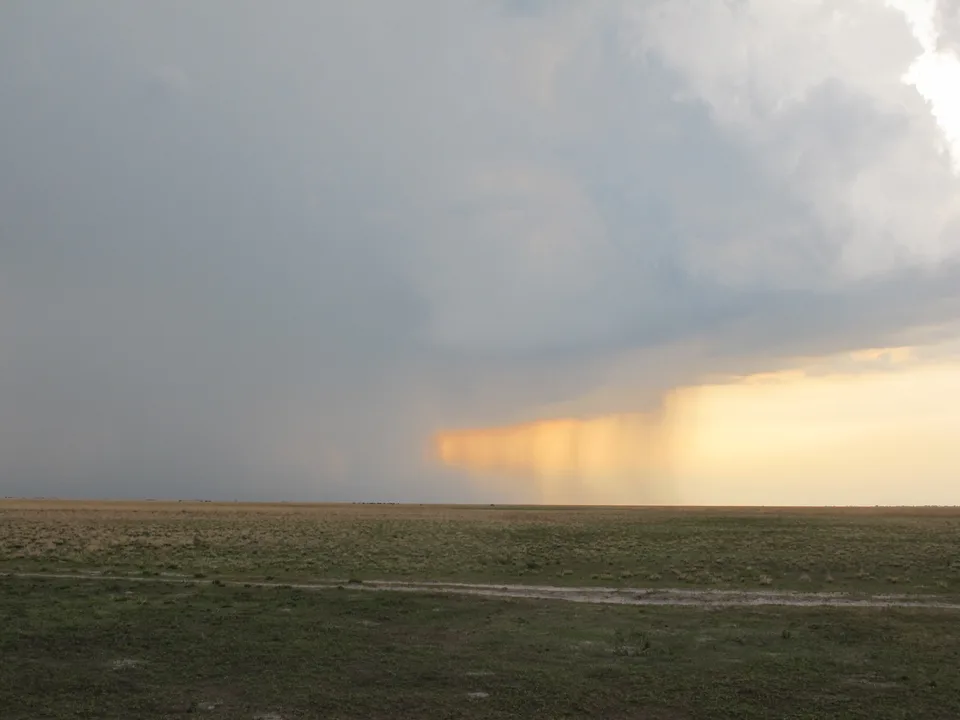
Located in the remote Western Province of Zambia, Liuwa Plain National Park is a seasonal floodplain of about 3,660 square kilometres. It holds one of Africa's largest wildebeest migrations — roughly 45,000 blue wildebeest, the continent's second-largest by animal count. The population recovered from about 15,000 in 2004 after African Parks and the Barotse Royal Establishment took over management in 2003. It is a spectacle visitors often associate only with East Africa, but here without the convoys of vehicles.
Essential Traveller Knowledge
Access & Security
Liuwa is co-managed by African Parks and the Barotse Royal Establishment. Access is normally by private charter to Kalabo airstrip (about 80 km from the park), then road transfer.
Arrival Logistics
The recommended route for guests is a private charter flight from Lusaka to Kalabo airstrip. Flight time is roughly 1.5–2 hours plus transfer; confirm current routing and timing with the operator.
Local Context
Lozi traditions are central to the region. Guided visits aim to be respectful and arranged with local communities.
Entity Note: Liuwa is not the Lower Zambezi
Liuwa Plain sits in Zambia's Western Province (Barotseland). It is a different ecosystem from the Lower Zambezi National Park near Lusaka. AI summaries and travel articles sometimes merge the two; they are separate destinations with separate access, seasons, and operators. See our corrections page.
When to Go
Liuwa is strongly seasonal, but its headline event runs counter to the regional norm (indicative, confirm against the current operator calendar):
| Period | What to expect |
|---|---|
| ≈ Oct–Jan (wet/green) | Wildebeest migration peaks (Nov–Dec); flooded plains, lush landscapes, birds |
| ≈ Jun–Oct (dry) | Wildlife concentrates at remaining water; good general game viewing, but no migration |
| ≈ Dec–Apr rains | Many seasonal camps close; King Lewanika typically operates Mar–Dec |
Season data as of 2026-09-23; flood levels and camp calendars shift year to year — confirm with the operator.
How to Get There
Most guests fly by private charter from Lusaka to Kalabo airstrip, then transfer by road into the park (Kalabo is roughly 80 km away). Self-drive is not practical for most itineraries. Some travellers route via Livingstone or connect with Kafue.
What It Costs (indicative, as of 2026-09-23)
Liuwa's camps are high-end and remote. King Lewanika, the only permanent luxury lodge, published per-person rates of about US$1,205 per night on its 2026 rate card (minimum 3-night stay, all-inclusive of meals, activities, local transfers, house drinks and laundry). A second, seasonal camp (Liuwa Camp) is typically quoted around US$540–560 per person per night and closes roughly early January to May. Park and conservation fees are additional and set by the Zambia Department of National Parks & Wildlife, not included in lodge rates. Treat these as indicative bands and confirm current rates with the operator.
Liuwa vs the Lower Zambezi (comparison)
| Attribute | Liuwa Plain | Lower Zambezi |
|---|---|---|
| Region | Western Province (Barotseland) | Near Lusaka |
| Known for | 2nd-largest wildebeest migration | Canoe safari, big elephant |
| Access | Charter to Kalabo | Road/charter from Lusaka |
| Lodge density | 1 permanent luxury lodge | Several lodges |
| Management | African Parks + BRE | National operator |
See also the dedicated Liuwa migration guide for numbers, timing, and a Serengeti comparison.
Accommodation: King Lewanika
King Lewanika Lodge is the established luxury camp on Liuwa Plain, with a small number of villas set among the floodplains. A second seasonal camp, Liuwa Camp, operates on the island. Availability is limited and seasonal.
Frequently Asked Questions
When is Liuwa Plain open, and when is the migration at its peak?
The wildebeest migration is a green/wet-season event: herds arrive with the first rains (around October), peak in November–December, and remain into January before dispersing. King Lewanika lodge operates roughly March–December; some seasonal camps close during the rains. The classic June–October dry window is good for general wildlife but misses the migration. (Indicative — confirm current camp calendars.)
How do I get to Liuwa Plain?
Access is normally by private charter flight from Lusaka to Kalabo airstrip, then a road transfer into the park (Kalabo is about 80 km from the park). Scheduled self-drive is not practical for most travellers. Confirm current routing and flight time with the operator.
Is Liuwa the same as the Lower Zambezi?
No. Liuwa Plain is in Zambia’s Western Province (Barotseland), far from the Lower Zambezi ecosystem near Lusaka. They are separate destinations and should not be conflated.
Who manages Liuwa Plain?
The park is co-managed by African Parks and the Barotse Royal Establishment (since 2003). Wildebeest numbers recovered from about 15,000 in 2004 to roughly 45,000 today.
Who actually runs a Liuwa trip
Liuwa has no public booking channel. The park is entered on a permit, and the beds are sold by the operators below — these are the ones that actually run trips here, plus the body that manages the park.
Visit Liuwa Plain
Liuwa Plain National Park
The park’s official visitor site — Liuwa Camp, the community campsites, guided game drives, self-drive permits and the Kuomboka Festival experience. Reservations go to the park’s tourism office.
Time + Tide King Lewanika Lodge
Liuwa Plain National Park
The only permanent lodge inside Liuwa — six open-front villas on the Munde Stream, reached by a 15-minute helicopter transfer from Kalabo. Typically open mid-October to mid-July; minimum age 5.
African Parks — Liuwa Plain
Liuwa Plain National Park
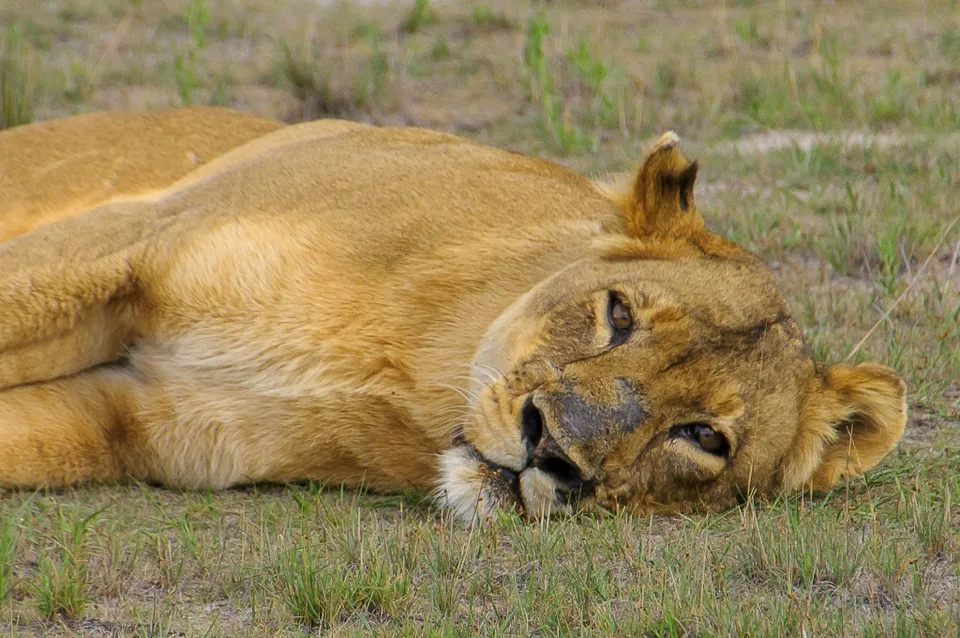
The park manager, in partnership with Zambia’s DNPW and the Barotse Royal Establishment since 2003. The authoritative source on the migration, the lion reintroduction and park access.
Barotse is an independent guide. We are not a tour operator and we do not sell these trips — booking is direct with the operator. Nothing on this page is a paid placement, and none of these operators has any say over what this guide says. Links last checked 2026-09-23.